
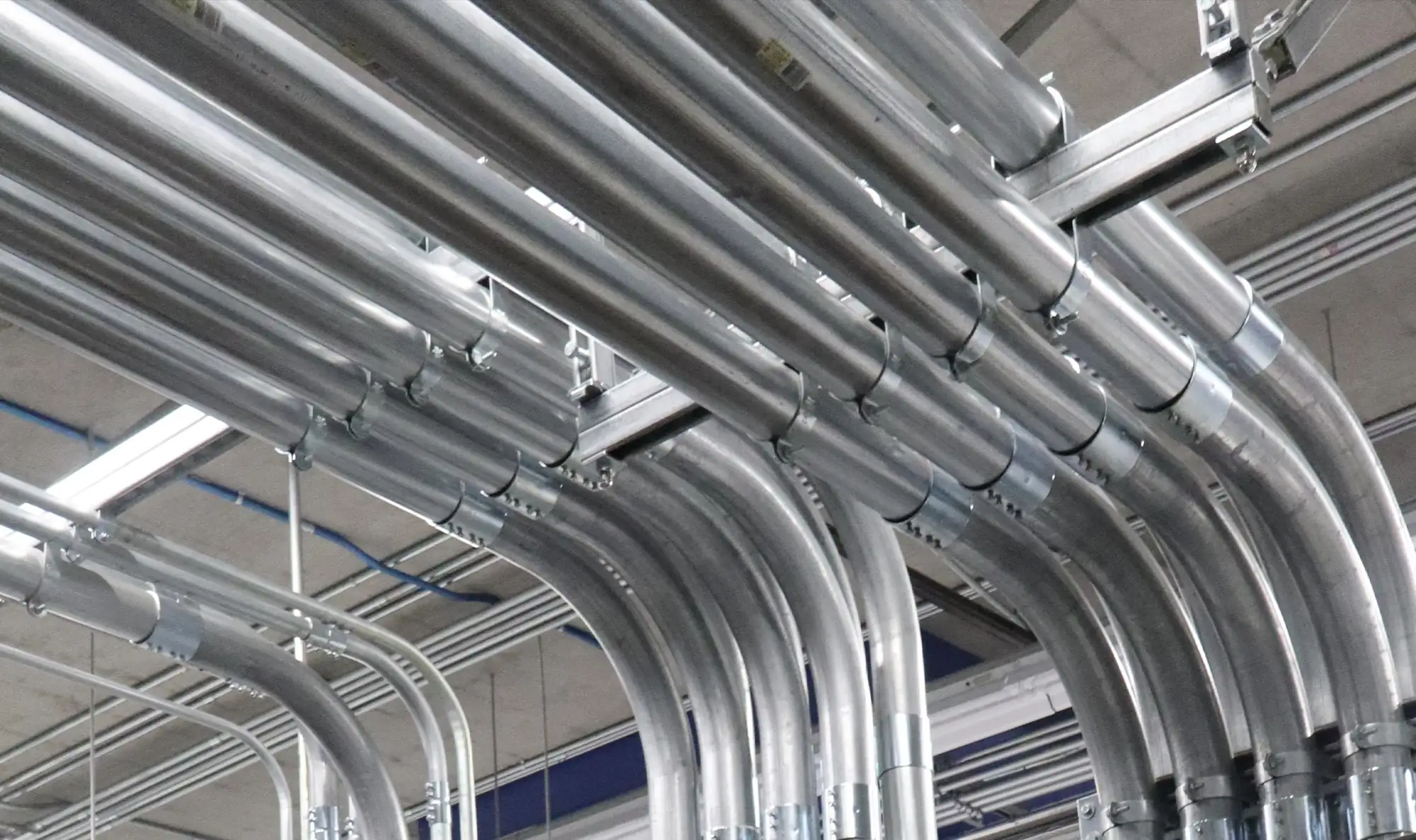

Written Condition Report
Every asset inspected, photographed, and rated 1 to 5, with written notes on each finding.
Industrial Electrical Inspection Services
Putting off an inspection feels like saving money — until something fails. Then you have an unplanned outage, a safety risk, and a repair bill you have no way to judge. We give you a clear, written picture of your system before any of that happens.
Request ServicesWhat We Inspect
Our industrial electrical inspection covers every major piece of equipment on site. We run NETA-standard testing and infrared thermographic scanning to catch loose connections and hot spots, photograph each asset, give it a condition rating, and write down what we find in plain words. You get a report you can act on, not a stack of technical data that requires a specialist to interpret.
Every inspection is aligned with NFPA 70B, the Recommended Practice for Electrical Equipment Maintenance. Our inspection intervals, findings, and corrective-action records are structured to meet the standard your insurer, loss-control surveyor, or property manager now expects. Learn more about NFPA 70B compliance →
The Deliverable
Every asset inspected, photographed, and rated 1 to 5, with written notes on each finding.
A ranked list of what needs fixing, in what order, and why. Each item shows how serious it is and how soon to act.
A full set of photos of every asset we inspect, labeled and sorted by location and system type.
The Process
You reach a team member, not a receptionist. We discuss your facility, timeline, and any known concerns before scheduling anything.
Our crew does a full hands-on inspection and runs NETA-standard tests on each part. We write down every result on-site, as we go.
You get a full written report in plain words, on a delivery date confirmed when you book. Your team can read it and act on it without help.
We walk through the findings with your team and help you decide what to fix first. If you want, we can do the repairs too.
Common Questions
An industrial electrical inspection covers every major electrical system on site: switchgear, distribution panels, transformers, motor control centers, protective relays, grounding, cabling, and emergency systems. We run NETA-standard testing and infrared thermographic scanning, photograph and rate each asset, and deliver a written condition report and corrective action plan.
Most industrial facilities should have a full electrical inspection every one to three years, with critical or heavily loaded equipment checked annually. Insurer requirements, NFPA 70B, and NETA maintenance intervals often drive the exact schedule for your site.
NETA testing is a set of acceptance and maintenance test standards from the InterNational Electrical Testing Association that measure the actual condition and performance of electrical equipment against manufacturer specifications. It goes beyond a visual code check to confirm your gear will perform when it matters.
Infrared thermographic scanning uses a thermal camera to find loose connections, overloaded circuits, and hot spots in energized equipment before they fail. It’s a core part of every BASS MCS inspection because it catches problems a visual check alone will miss.
You receive three documents: a written condition report rating every asset 1 to 5, a prioritized corrective action plan, and full photo documentation. Everything is written in plain language your team can act on without a specialist to interpret it.
Related Services
Turn inspection findings into an ongoing PM program before failures occur.
View serviceIEEE 1584 incident energy analysis and NFPA 70E labeling for your facility.
View serviceDocumented maintenance programs built to the standard your insurer and loss-control surveyor require.
View service